Suffolk Wildlife Trust Reserves: North Suffolk
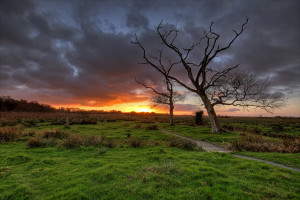
Nature enthusiasts listen in! Here's our guide to just a handful of the many Suffolk Wildlife Trust nature reserves in the coastal region of North Suffolk.
Oulton Marshes
Size: 39.4 acres
Park: By Oulton Church, Church Lane
Dogs: On leads
Best time to visit: April to July
Oulton Marshes is a tapestry of different habitats, including short fen meadows, tall litter fen, pools and scrub, which have developed over hundreds of years.
Star Species: Marsh Pea, Grasshopper and Cetti’s Warbler
What can I see?
The fen meadows, which lie on top of waterlogged peat, support many rare plant species - in the summer you will find a wonderful display of southern marsh orchid, marsh marigold and ragged-robin, along with the scarce bogbean, bog pimpernel and marsh cinquefoil.
Breeding birds like grass, reed, sedge warbler and the rare cetti’s warbler can be found in the taller fen, along with the marsh pea and marsh sowthistle.
And within the network of dykes that divide the marshes up are a range of aquatic wildlife, as well as dragonflies and damselflies.
Whilst much of the reserve is too wet for public access, the Fisher Row footpath, which runs alongside it, offers wonderful views of the reserve.
Carlton Marshes
Size: 112.25 acres
Park: End of Burnt Hill Lane, Carlton Colville
Dogs: On leads
Best time to visit: May to July
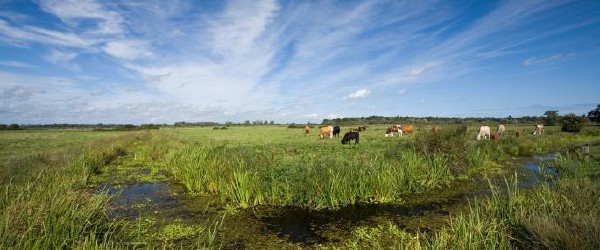
In the Waveney Valley, at the southern tip of the Norfolk and Suffolk Broads, you will find over 100 acres of grazing marsh, fens and peat pools - the Broads in miniature!
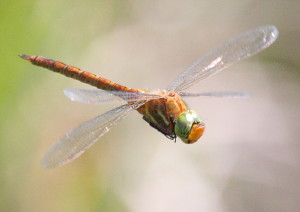
Star species: Norfolk Hawker and Scarce Chaser dragonfly, plus Water Vole and Marsh Harrier
What Can I See?
Grazed by cattle in the summer and a paradise for wintering wading birds and birds of prey, such as the hobby, the flower studded marshes are drained by a system of dykes.
Water voles may be seen around the dykes, as well as lots of special plants, including the rare and protected water soldier.
The reed and sedge beds along the river wall provide ideal nesting cover for reed and sedge warblers, bearded tits, Cetti’s warblers and marsh harriers.
Head to the meadows around Sprat’s Water in early summer for ragged-robin, spearwort and bogbean.
Carlton Marshes is also one of the best places in the UK for a range of freshwater snails, and an astounding 15 types of dragonfly have been spotted here!
Visit at dusk during the summer and you might be rewarded with the enchanting view of the magical glow-worm. There is a visitor centre onsite, and a range of family events are put on throughout the year.
 North Cove
Size: 38.75 acres
Park: At start of footpath to River Waveney
Dogs: No dogs
Best time to visit: April - Oct
A quiet and relaxing reserve, comprising a patchwork of wetland habitats in the valley of the River Waveney.
Star Species: Norfolk Hawker dragonfly and Woodcock
What Can I See?
In the summertime, you’ll find grass snakes and common lizards soaking up the sun in the warm, sheltered areas, and smooth newt and the ten-spined stickleback.
The mature woodland is good for birds like warblers, siskins, red poll and all three types of woodpecker. You might also find Nightingale and woodcock nesting in the scrub, or sparrow-hawks out for a hunt!
In terms of plantlife, ragged-robbin and yellow rattle have become established at North Cove, alongside the nationally scarce marsh fern. Bog pimpernel occurs in the meadow and opposite-leaved golden saxifrage can be found near the old decoy pond. Look out for the hides around the reserve.
Foxburrow Wood
Size: 10 acres
Park: Gunton Church Lane
Dogs: On leads
Best time to visit: April, May
On the Northern outskirts of the seaside town of Lowestoft, you’ll find a tranquil haven of mature sweet chestnuts, fresh bluebells and bird song.
Star species: Wood anemone and Bluebells
What Can I See?
Foxburrow Woods contains ponds, ditches and streams, and is home to an array of birds, such as nuthatch, woodpecker and treecreeper, joined by blackcap, chiffchaff and willow warbler in the summer. Amongst the oaks, birches, sycamores, alder and ash trees you will find many flowers typical of ancient woodlands; twayblade, early-purple orchid, primrose and wood anemone. A unique, urban oasis!
Also in the area: Camps Heath, Castle Marshes
See our National Trust reserve guides for Southwold, Aldeburgh, Woodbridge & Felixstowe, plus Bury St Edmunds, Lavenham, Constable Country and Framlingham
Main image by Gary Horner, source: East Coast Images; Oulton Marshes photo from wildlifetrusts.org; dragonfly image from Surf Birds; Woodpecker image from RSPB
Related Articles
Birdwatching - 10 Species To Get You Started
With its wide variety of habitats - encompassing woodland, heathland, reedbed, saltmar...
Down on the Farm - Family Outing to the Suffolk Punch Trust
Over the last few years we have been crabbing, boating, built sandcastles and visited...
BBC Springwatch Comes to Suffolk
BBC Springwatch is coming to Suffolk this spring and will be broadcasting from the
While Shepherds Watch Their Flocks By Night: Family Holidays on the Farm
Whilst Shepherd’s Watch their flocks by night, you could be staying just a few yard...
Fishing on the Suffolk Coast
Between Pakefield and Orford Ness, fishing enthusiasts will find the deepest stretc...
Farmyard Holidays for Families
There's nothing more memorable for children than being able to meet and inte...
Suffolk Wildlife Trust Reserves: North Suffolk
Nature enthusiasts listen in! Here's our guide to just a handful of the many Suffolk Wildl...