Demon Dog: The Legend of The Black Shuck
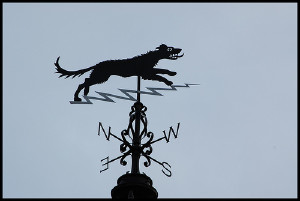
As the congregations of Holy Trinity Blythburgh and St Mary's Bungay knelt in prayer, and the barrelling storms outside grew in ferocity, in the midst of both crowds suddenly appeared a black dog.
Related Articles
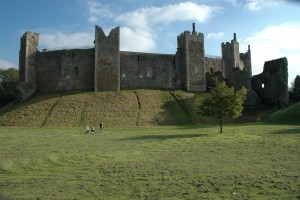
Framlingham Castle
Arriving at Framlingham Castle today we see the extensive remains of a magnificent 12t...
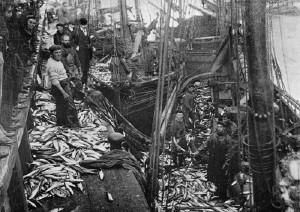
A History of Fishing on the Suffolk Coast
Fishing has been one of Suffolk's most important industries for at least 900 years. So good w...
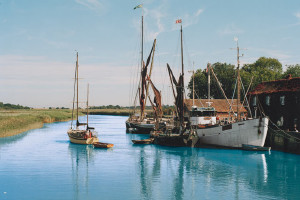
Snape: A History
Snape is perhaps best known today as the venue for the Aldeburgh Festival; the Snape...
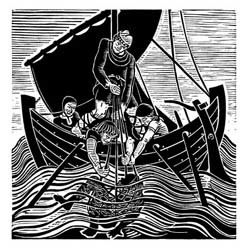
The Merman of Orford
In London. the athletic and active Henry II sits on the throne of England, plotting an...
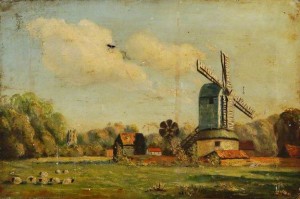
Aldeburgh in the 19th century
It is often said that Suffolk's landscape has changed little over the past century but what of...
Demon Dog: The Legend of The Black Shuck
In August 1577, coastal Suffolk was hit by great storms of other-worldly proportions....
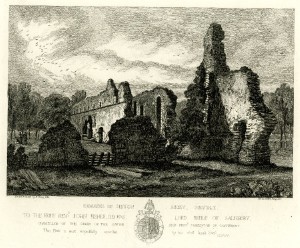
Suffolk’s Farming Past: Sibton Abbey
In 1539, all monastic property was transferred to the control of King Henry VIII, inc...
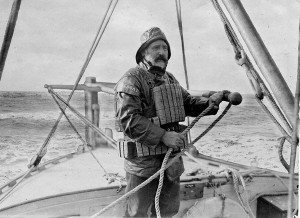
James Cable: Aldeburgh's Beloved Lifeboatman
We like to celebrate the many remarkable people that come from our beloved town, both famous...